

In this post, we’ll be hearing from author Marianne K. Miller. She tells us about the process of writing her first novel, offers advice for new writers, and hints at a new work in progress! Check out her author bio:
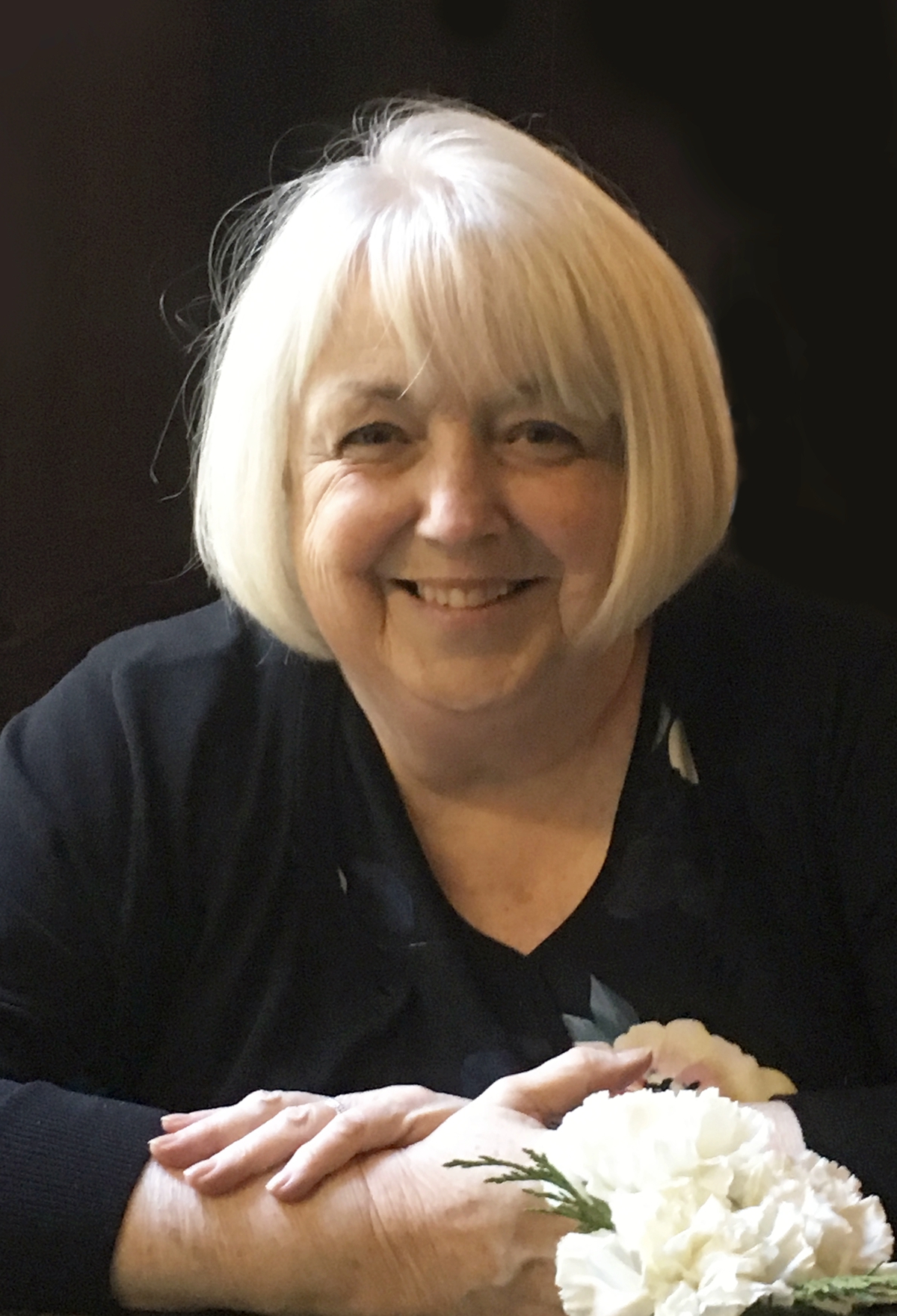
Marianne K. Miller is a graduate of the Creative Writing Program at the University of Toronto. As an independent scholar and member of The Hemingway Society, she presented a paper, Hemingway in Toronto, at the 18th International Hemingway Conference in Paris, France. Her debut novel We Were the Bullfighters is published by Dundurn Press and was just nominated for the Best First Crime Novel Award given by the Crime Writers of Canada. She lives in Toronto.
Marianne, what drove your decision to study creative writing? And has getting published changed how you view your own writing?
I always enjoyed writing. As a lawyer, I wrote letters and pleadings, discovery reports. As an adjudicator and mediator, I wrote orders for a tribunal. Many people ask why are so many lawyers writers? I think that is because lawyers are, at heart, story tellers whether it is on paper or in a court room, their goal is to set out a credible story for the position they are putting forth. But the idea of not having facts and law to rely on when I was writing kind of frightened me and so that’s why I signed up for a creative writing course. It was a challenge. I was used to a very precise way of writing and I had to loosen up.
How did you first learn about The Hemingway Society? What attracted you to become a member?
I can’t remember exactly. I suspect googling Hemingway, their name came up and since I was writing about him, it seemed like a good idea to sign up. I was very glad I did. They have no blinders on about Hemingway and attending their conferences is, in addition to being a lot of fun, like going back to university for a week. They produce a scholarly journal, The Hemingway Review, which is always a very interesting read. And it is not too expensive to belong.
Toronto has a connection to Ernest Hemingway. Tell us how your book idea for We Were the Bullfighters came about. Did you have doubts while working on the draft for this historical fiction?
I didn’t have doubts per se. I think my biggest challenge was how to structure the novel. I did a lot of research and had a lot of material. Originally, Ernest, Hadley, and the convicts each had their own chapters. When I sent my final draft to an editor before submitting it anywhere, they suggested removing the Hadley chapters as they felt those chapters slowed the book down. At first, I was shocked and worried, but when I re-read the manuscript I could tell Hadley was still very much there and the book was better.
For budding writers, the prospect of completing a full-length book can seem out of reach. What advice do you have for writers who are just starting out with a book idea? Tell us what helped propel you forward in publishing your work.
When I was writing short stories, I was very envious of all the room you have in a novel. But all that room can also seem a bit overwhelming. I took a workshop on how to structure your novel and that really helped. My advice is if you have an idea, keep going, join a writing group, revise and polish, then perhaps as I did, have a professional read it over, probably revise again and then start submitting. Go for it. There are also workshops where you get to meet an agent who will give good advice about what to put in a query letter. Don’t be shy!
Marianne, you conducted thorough research while formulating your book and were very careful about accurate historical representation in the story. What considerations went into your fictionalized scenes while writing?
There were actually two categories:
There were fictional scenes that I was very sure would have happened even if I did not find a specific record of Hemingway’s presence. An example of that would be Hemingway listening to the Dempsey Firpo fight from New York. Another one might be Hemingway’s attending and reacting to ceremonies celebrating the end of WWI. Generally speaking, two of his biographers, Carlos Baker and Michael Reynolds, had confirmed Hemingway’s interest in Red Ryan. There were also, of course, things that he wrote in The Star or his letters that let me know where he was.
In the second category, things that I completely made up I tried to make the events as consistent as possible with the real character’s personality as possible. Both Red and Ernest appeared to have a good sense of humour. Hemingway’s and Hadley’s letters illustrated their frustrations. I just gave them specifics. Hemingway did complain about his situation and, for some reason, could not seem to extricate himself from it. So in one scene, which I will not mention, I had some fun making him a bit whiny and rationalizing his decisions.
What resources do you recommend specifically for Canadian writers who are just starting out?
I’m just looking over at my shelf of books about writing. I would highly recommend Bird by Bird by Anne Lamott. Also, On Writing by Stephen King. His is a very good practical guide. They both are.
I would recommend taking a writing course. They are very useful for two reasons: Good information about writing, character, setting, dialogue, etc. and, feedback. There’s usually a schedule that makes you produce. That’s very important.
If you can’t afford to take a course, try and find a writing group. That’s all by way of saying, like anything you want to master, practise, practise, practise. The more you write, the better you’ll get. Don’t wait for the million-dollar idea. Just write. Read writers that you admire.
Besides writing, tell us about another art form you currently practice.
I like knitting and quilting.
Marianne, what books are you reading these days? Which contemporary authors do you recommend checking out?
Drinking the Ocean by Saad Omar Kahn
Paris Express by Emma Donoghue
The Road to Heaven by Alexis Stefanovich-Thomson
Shipwrecked Souls By Barbara Fradkin
And a biography
The Wilder Shore: The Romantic Odyssey of Fanny and Robert Louis Stevenson by Camille Peri
You’ve also written short stories and monologues. What can you tell us about your current work in progress? Are you writing another book?
I’m trying to choose between three different project ideas. I think that’s all I’ll say.
Is there anything else you’d like to share or promote?
I should mention that my novel is a finalist for the Best First Crime Novel Award given by the Crime Writers of Canada. The final decision will be made May 30th. So possibly it will be made by the time this is published.
More Marianne K. Miller online:
Website: https://www.mariannemiller.ca/
X (Twitter): https://x.com/mariannekmiller
Instagram: https://www.instagram.com/authormariannemiller/#
Debut novel: Find We Were the Bullfighters at Dundurn Press online or purchase on Amazon
Have someone in mind for an upcoming interview? Want to know more about an author or publisher? Start the conversation by commenting below. Like what you see? Remember to subscribe to have future blog posts delivered to your inbox.
Cover Image: Photo by Monica Silvestre on Pexels.com

 Pauline Shen