

In this post, we welcome author, speaker, and mentor Eileen Cook. She shares an abundance of helpful (and heartful) writing advice as well as a glimpse into what it was like when she first started out as a budding writer. Check out Eileen’s author bio:
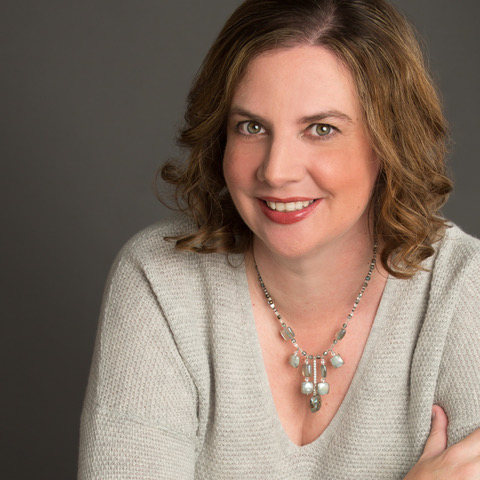
Eileen Cook, author, speaker, and mentor lives in Vancouver, British Columbia. Her books are published with HMH, Simon and Schuster, and HarperCollins. Cook’s recent titles include You Owe Me a Murder, One Lie Too Many, and With Malice. Under the pen name Kate MacIntosh, she’s written a historical novel, The Champagne Letters. People Magazine chose this book as a December 2024 Best New Book saying: “this fun, fizzy novel is delicious.” She received the John Spray Award in 2018 for best mystery in Canada with her novel The Hanging Girl/One Lie Too Many. Her books have been optioned for film and TV, although she is still waiting a chance to walk the red carpet.
Eileen, you’re the author of several contemporary, middle grade, and thriller novels, as well as multiple non-fiction guidebooks for new writers. Are you working on a manuscript now? What can you tell us about your work in progress?
My most recent book, The Champagne Letters, was a big change for me as it was both adult and a dual timeline historical. It just came out in December 2024 with Gallery Books (Simon and Schuster) under a pen name to help brand it as different than other things I’ve written. At long last, a chance for my historical nerd side to come out and use all those random facts I’ve been gathering for years!
Even though the book just came out, I am already wading into another manuscript. I am the happiest when I have a book on the go. The current book is also a dual timeline with a character in the present who is traveling to England after a death. It’s still very muddy and unclear how it will unspool, but I’m enjoying doing a bunch of research and seeing where it may go.
Eileen, you’ve got a wealth of experience with writing-for-publication. Tell us a bit about how it felt when you first started sending out manuscripts. What drove your decision to continue writing and what were your next steps? At what point did you begin speaking to audiences and mentoring others?
I was blissfully ignorant when I started sending out manuscripts. I simply didn’t know what I didn’t know. I assumed people would want the first book I wrote. I loved it, I figured everyone else in publishing would too, surely the hard part would be writing the thing. Imagine my shock at round after round of rejection! I wrote and sent out four full manuscripts before I secured an agent, and eventually from there, my first publication. Along that journey to publication, I learned so much, how to be a better writer and how publishing worked. I took classes, went to workshops/conferences and kept writing and writing and writing.
Writing is a very solitary pursuit, but many of us write with a goal of being read. It can be frustrating and discouraging to put your manuscripts out there and not have your dreams fall into line the way you hoped. I became a firm believer during that time that the secret to being a working/published writer is persistence. You need a commitment to living a creative life, and a willingness to keep learning and growing. I absolutely love the process of writing- the swirl of new ideas, the early messy drafts, the chance to edit and polish the story, and whenever possible the chance to share it with readers.
The move to teaching and mentorship happened slowly. I had experience teaching at the college/university level related to my job as a counsellor which gave me an understanding of how to teach and how to pitch a possible course. I began teaching writing by talking about what writers could learn from psychology. The fact that I don’t mind public speaking (which is odd given that I’m an introvert), helped as I was willing to take opportunities when they came up. The more I taught, the more I realized I enjoyed it and gained confidence in the area.
Eileen, what has been the most memorable part about mentoring new writers?
There are so many wonderful things about the writing community. New writers bring a passion. When you’ve been writing for a long time it can be easy to become jaded and cynical. I love meeting people starting out who can’t wait to tell you about their story and are brimming with all this excitement about what they can do, it reminds me to find that excitement in my own writing.
Watching a writer have an “a-ha!” moment is a thrill. I’ve been lucky enough to have several people I’ve worked with breakthrough, with either mastering a new skill, or reaching their own publication goals. I’m a firm believer that writing is a craft. Yes, there are people who have natural storytelling skills, but anyone can be a good writer if they are willing to put in the work. I feel very fortunate to have the opportunity to act as a mentor for others. There were many people who reached out to me when I was starting that it feels a privilege to pay it forward.
For budding writers, the idea of completing a full-length book is both exhilarating as well as daunting. What recommendations do you have for writers who are just starting out with a manuscript? How do you go about breaking the work into manageable chunks to ensure that you won’t abandon it? Did this process differ for writing your thriller novels versus your Fourth Grade Fairy series?
One thing that has surprised me is how many ways there are to write a novel. Some people can’t do it unless they have a detailed outline, others will lock up if they plan too far ahead. Some writers have a routine with specific daily goals, and others jump in writing in a blur for weeks or months but then take huge breaks. The secret is to find out what works for you. New writers may need to try out different approaches.
Over the years I’ve discovered that what works for me, regardless of what I’m writing, is to have a rough outline of where I think the story is going and the major story points. I need to understand the main character, what they want, why they want it, and why it matters so much to them. Then I set weekly goals for what I think I can accomplish balancing everything else happening in my life. The goal isn’t to beat myself up if I’m not reaching my goals, but rather to course correct and get back on target if I’m drifting. I celebrate each step of the process, from having an outline, to reaching different word counts, to figuring out a plot problem. Celebrating as you go is important because it gives a boost during a long journey.
One suggestion I give new writers is to keep going. There’s a temptation to keep returning to the start to try and make sure it is perfect before moving forward, but what you have will change as the story develops. Move forward and know that you can fix things (and you will need to fix things) once you have a completed manuscript. Lastly, surround yourself with people who will cheer you on. As you point out, writing a novel is a long process and there will be times when you feel like giving up. It’s important to have people who will encourage you during the times you need it and celebrate when you reach different milestones along the way.
An important consideration for writers is that readers may not respond as expected. Eileen, what advice do you have for emerging writers about receiving feedback?
Ah feedback- it is a tricky subject. As a new writer we want to hear what people think and getting helpful notes can assist you in growing as a writer, but the wrong feedback can lead to self-doubt.
I advise new writers to step gently into the feedback ring. Be clear about what type of feedback you’re looking for. When you are starting you may want to focus only on what is working well so you can build on your strengths. Or you may want to narrow notes to specific questions you have. For example: “Did you like the main character? Why or why not?” As you gain experience in writing you can increase the scope of feedback you collect. You will begin to evaluate feedback- as it isn’t all created equal. Someone who reads or writes in your specific genre is typically more useful than someone who isn’t familiar with what you’re writing. Genre expectations differ widely.
When I get feedback, I start by reminding myself that everyone has an opinion. It’s impossible to write a book that pleases everyone and what one person likes someone else may hate. I try to get feedback from multiple people. If only one person dislikes something or finds it confusing, but everyone else liked it, I may disregard the original comment. However, if multiple people are bumping on something in my story, then I know something isn’t working.
Who are your all-time favourite authors? Which contemporary Canadian writers do you recommend checking out?
How does anyone choose an all-time favourite? I love Jane Austen, Sarah Waters, Kate Morton, and Erik Larson. I could go on for days listing writers I enjoy and still be terrified that I’ve left someone off the list. What I’m passionate about depends on the mood I’m in. I read widely, thrillers, literary novels, historical, non-fiction- you name it.
There are so many great Canadian authors out there. A few that come to mind off the top of my head include: Robyn Harding, Tonya Boteju, Roz Nay, and Ashley Audrain. There are also some great indie Canadian writers to check out including Bonnie Jacoby and Lena Gibson. I highly recommend asking friends, librarians, and booksellers who they are reading- I love getting new suggestions of authors to try.
Is it truly as impossible as it seems to become a full-time writer in Canada? What resources do you recommend specifically for Canadian writers who are just starting out?
I would never suggest that people have being a full-time writer as their get rich quick plan. There are far better ways to reach that goal. However, I do know several Canadian writers who make their living with writing, so it is not an impossible dream.
Unless you have a huge breakout novel right off the bat (dare to dream), most working writers reach this goal by writing book after book and creating a back list. A reader may not find you until book four or five, but then hopefully will explore what else you’ve written. Having a larger back list gives you opportunity with foreign sales and possible audiobook or film rights, all of which can add to your income.
For a Canadian writer starting out, I would tell them to explore what is the best balance to reach this long-term goal of having several books. Do you have a good day job that allows you to write? Could you go part time in this occupation as your back list builds? Would you like to do work related to writing, such as teaching, editing, writing freelance pieces, or do you find that saps your creative energy? You may decide that you don’t want the pressure on your creativity and instead opt to have a job for the bills and your writing is purely for joy or something in the middle.
Eileen, tell us about your upcoming public appearances for 2025. Which writer-specific festivals and events should Canadians attend and support this year? Are there any virtual/online events that writers should check out?
I’m excited to be speaking at Word on the Lake Writer’s Festival in May.
In June I’ll be in Las Vegas for the Historical Novel Society Conference.
And in October, I’ll be at one of my favorite events of the year, The Surrey International Writers Conference.
Lastly, I frequently teach online workshops for The Creative Academy for Writers.
I also want call out for some events I’ve done in the past and can highly recommend.
Eden Mills Writers Festival and the Vancouver Writers Fest.
Is there anything else you’d like to share or promote?
I can’t think of anything extra that I haven’t already mentioned above. : )
Thank you so much for inviting me to be a part of your blog. I hope you (and all your readers) have a wonderful 2025 filled with great books.
More Eileen Cook online:
Website (also check out KateMacIntoshBooks)
Have someone in mind for an upcoming interview? Want to know more about an author or publisher? Start the conversation by commenting below. Like what you see? Remember to subscribe to have future blog posts delivered to your inbox.
Cover Image: Photo by Monica Silvestre on Pexels.com

 Pauline Shen