


How do you select character names? If you’ve ever wondered this, consider first why you’re asking. It’s not like you have zero ideas of names to choose. Do you have a name in mind that you aren’t confident slapping down on the page? Maybe it’s the name of your childhood friend or a departed relative. Did you think about using a name you heard at school or work and thought it was rather unique but years later you’re unsure if it’s usable? The problem boils down to whether it’s a good fit.
The fit has to do with your character, the plot, and your intended audience. There’s a lot riding on a name, so it’s not just an arbitrary decision. You’re placing a label on a fictional being who represents an archetype, role-model, or possibly a new icon (i.e. Harry _ _ _ _ _ _ ). Which reminds me, you may only need a first name. Depending on your genre and plot, however, you may need to select surnames. And if you’re going for realism, this can be a huge conundrum.
So now that we’ve gotten closer to defining the problem, do I have an answer? Well, not exactly. I have some guidelines that I follow and I’ll offer some anecdotes along the way.
Syllables
In one of my undergraduate writing courses, the professor paired us up to critique each other’s culminating project toward the end of the semester. The idea was to give feedback on a draft story for the purpose of helping your fellow classmate improve it before final grading. My classmate’s story had a protagonist with a four-syllable name.
Now the name itself was not problematic—it was obvious the writer chose it for a specific meaning associated with this fantasy plot. It’s the fact that the repetition of so many syllables slowed the reader down. Even the most action-packed scenes read with a lag because of this long name. Now, I don’t know what ever happened to this story or its writer after the class ended. I simply gave the feedback that this name could easily be shortened to two syllables after the character’s introduction without altering its meaning. It really would have sped up the scenes.
When I’m selecting names for my characters (including their animal companions), I try for something that is two syllables at most. If I find a multi-syllabic name that fits the character’s personality like none other, then I look for a way to shorten it. So once the reader knows that my protagonist’s name is Jeremiah, then I can shorten it to Jem, Jez, or Jer through dialogue that the narrator, thus the reader, then adopts as well. So if you choose to name your character Michelangelo, Evangelina, or Maximilian, then consider employing the short-form for the bulk of your narrative. Or you can skip the full name altogether and just use the short form.
Nicknames (or other identifiers)
What if the protagonist’s chosen name does not lend itself to a short version? Or what if this is a secondary character who gets killed off near the plot’s beginning? This is where identifiers and nicknames come into play. Your objective as a writer is to encourage your audience to continue reading. If you are not clearly marking who’s who, then your reader will become annoyed at the very least.
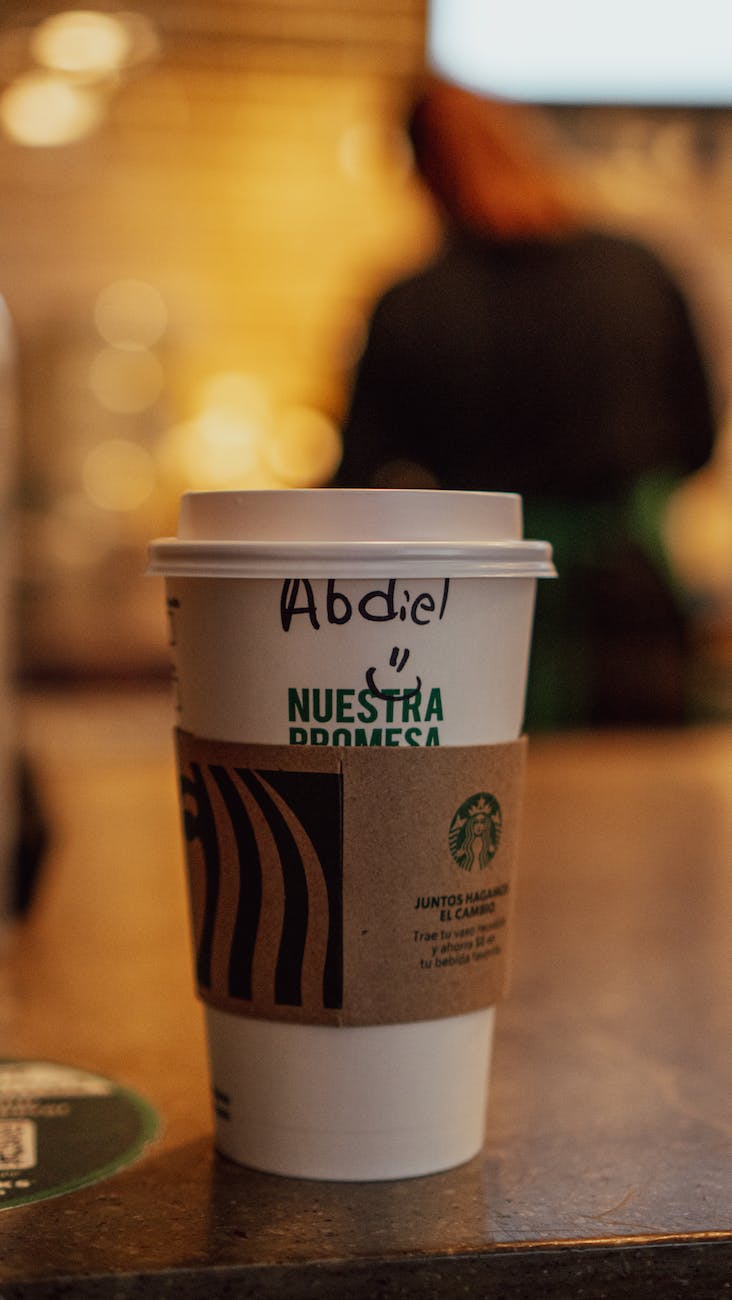
One of my published shorts has a scene where my protagonist is staring off into a parking lot while she waits for someone to arrive. I include details about the activity in this parking lot and there’s a person who drives up, gets some pizza, and then drives away. This guy doesn’t need a name, but he does need an identifier because there’s a time lag between his entering the pizza shop (thus disappearing from my protagonist’s point of view) and his driving off with his order (he reappears in the narrative). The logical choice here was to identify this person by his vehicle so the reader has the full effect of his arrival and departure. Instead of “pizza man,” or, “some dude,” or, “a random guy,” my narrator identifies this person as “red Camaro guy.” Technically this breaks my guideline in regards to syllable count, but in this case it worked because there was no further repetition. He drove away. Gone.
Nicknames are great because they are also a potential glimpse into relationship dynamics. If your protagonist has an undesirable nickname that irks her every time she hears it, then that’s good character and plot development with tension working in the writer’s favour. Maybe part of the character’s deepest desire is to shift people’s perception from the lowly nickname to a newly-evolved hero. Which leads me in to the next point on selecting character names: Meaning, Heritage, & Destiny.
Meaning, Heritage, & Destiny
Lots of writers have tweeted about flipping through baby name books. This is beneficial because you then have the option of checking the meaning behind the name. Depending on your genre, a name may bear connotations about the character’s lineage, birthright, or outright destiny. If you are writing a rags to riches or hero’s journey, you’ll want a name that is of humble origins yet contains within it great potential.
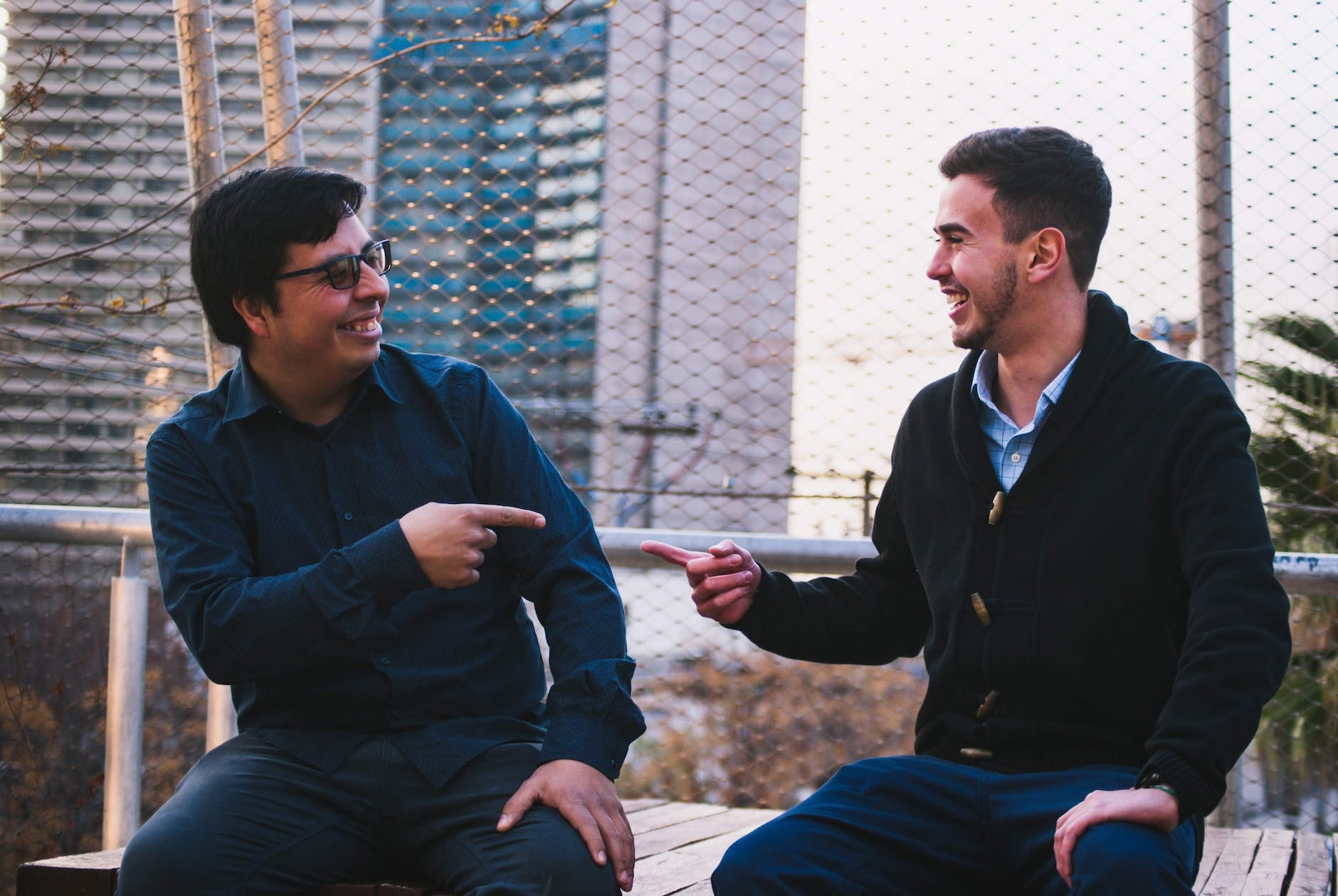
If your character’s personality is based off someone you know, and you want to keep that person’s name private, then you can try typing in Google search “name similar to ____” and a set of results will pop up. You’ll be able to check the meaning and origin behind the name(s) as well. Now, you might not use any of these results directly, but it could help generate ideas. Another Google search term is “names that sound like ___” and the results may spark some inspiration. I wrote a short fiction based on my ancestors’ journey from Europe to North America and used character names that were of similar origins but not exactly the same as my relatives’ names.
In the end, if deliberating over a name is holding you back from writing, then you are taking this far too seriously. I’ve named a character after my neighbour’s cute puppy. It was only two syllables and quite fitting for my character, so eureka! Ideas can come from anywhere. Don’t let the possibility of stigma prevent you from moving forward.
Tell me some names that could work well for stories. Share some cute pet names. Start the discussion by sharing your comments below. Stay tuned for my next blog post. Wanna get it in your email inbox? Subscribe to stay informed of my newest articles, story reviews, updates, and more.
Cover Image: Photo by RDNE Stock project on Pexels.com

 Pauline Shen