

I remember when my family purchased our first home computer. I spent my evenings getting on the web through dial-up. Back then I would wait for what seemed like eons for websites to load. I was logging-on to chat networks long before instant messaging was a thing. If a family member needed the telephone, it meant logging-off and using the computer without internet—an impossible proposition these days. An offline PC meant playing 3D Pinball while listening to music on my radio.

The main reason my parents purchased the computer was to enrich my ability to complete homework and so I could learn about the looming technical age first hand. They knew jobs in the future would involve a computer. Pre-Y2K, this preparation meant learning how to touch-type on the keyboard. We didn’t have a fancy typing program. I simply looked for opportunities to practice. Like when you’re learning a language, it’s a good idea to seek out social situations to engage in speaking it.
Once my fingers got used to the keyboard layout, the next challenge was speed. How did I train this? While listening to tunes, I typed out the song lyrics as I heard them. It was fun! The result? I was one of few students in my secondary school who could type over 70 words per minute. My teachers used to say that it was possible to earn a few bucks on the side by typing essays and such. Great prospect—never happened.
Thanks to my parents’ foresight, in the 25 years since then I’ve placed my touch-typing skills toward a range of personal, academic, and professional endeavours. It’s a skill I use daily. Have I continued typing song lyrics? Well, no. Let’s hold on to that thought for a minute.
One of the first stories I sent out for publication contained within it a reference to those early days of song lyric typing practice. In this short fiction, my protagonist mentions Gavin Rossdale and the story shares its name with one of his most popular songs. It wasn’t about riding a famous person’s coattails; rather, I meant to anchor the narrative in a particular mood.
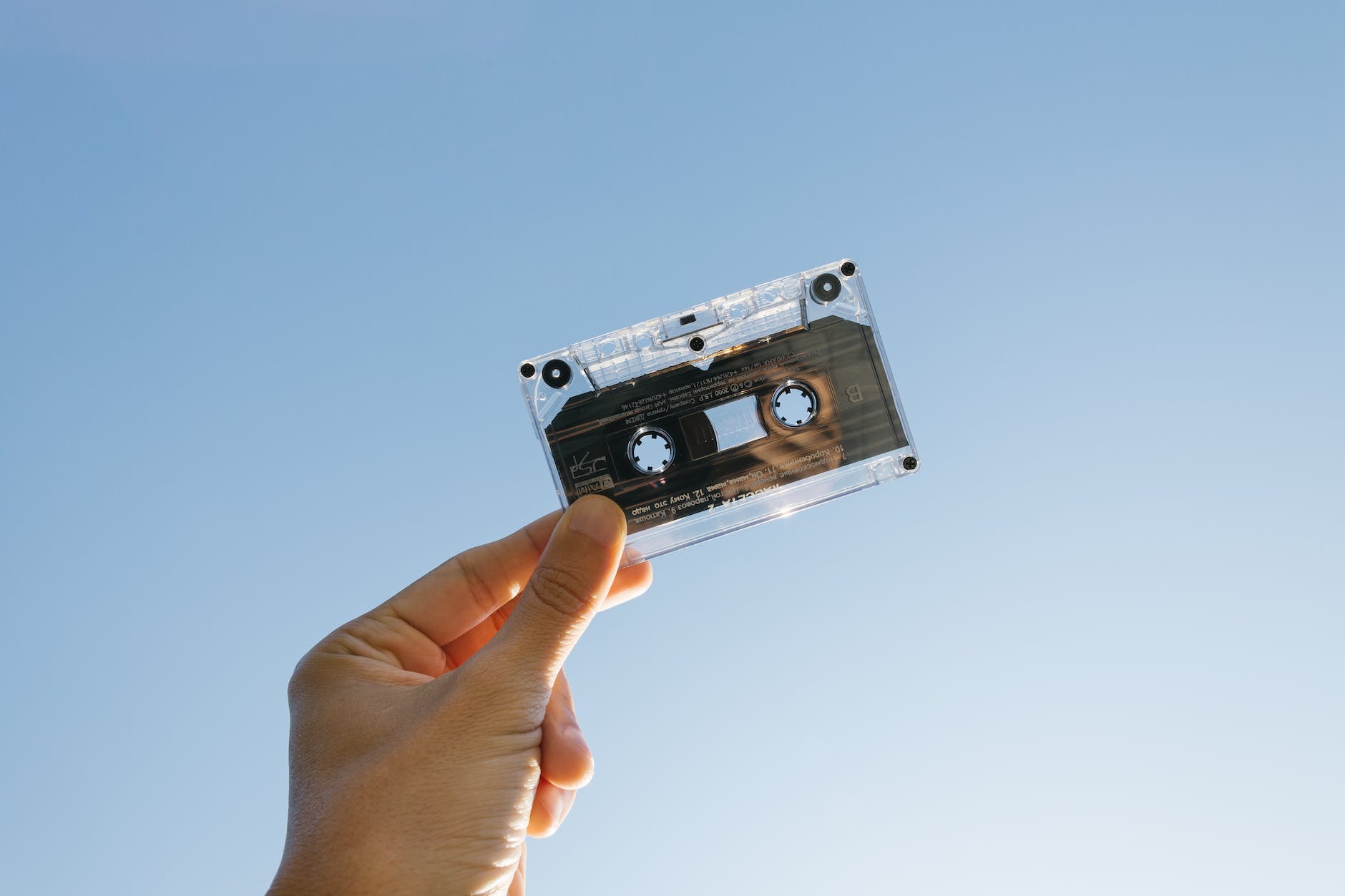
Fast-forward to editor feedback: one publication that considered the piece gave the suggestion that I insert lines from the actual song between key scenes. The concept sounds harmless enough—why wouldn’t you want to frame critical junctions with a sensation captured in the very music that inspired the work?
Because it’s copyright. Although the editor gave excellent notes that improved my story, this one bit of advice was off the mark. It’s a trap that I have seen editors and writers fall into when I’m evaluating submissions and proofreading magazine issues. Despite major legal implications, the emotional appeal of including our favourite song lyrics still makes it through some publishing gatekeepers. It’s the writer, not the publisher, who will bear the consequences.
So, it’s up to the writer to beware. Should editors and submission evaluators screen for copyright concerns? That’s a moral question and also good business sense. Publishers shouldn’t lose sight of the legal side of things. Human beings, however, do make errors. While it’s not an excuse, it is a part of life. And even the most meticulous editor succumbs to fatigue at times. Writers: do what you can to cover yourself and ease the burden down the line.
So what can you do? It is possible to obtain written permission to use someone else’s words in your work. On the other hand, I have never bothered doing this because it’s simpler all around to abstain. When you’re writing, you are engaged in imaginative exploration anyways, so why not come up with your own original way of expressing that tone or mood? When in doubt, ask: How can I convey the mood or message in a way that hits home and is in my own words?
If there is no possible method of doing this without borrowing, then make sure you get written permission. And, no, song lyrics cannot simply be attributed by a citation at the end of the work. What you can mention without explicit permission are the artist name, band name, and the song title. Don’t take my word for it—research for yourself to be sure. Jane Friedman, author of The Business of Being a Writer, includes a flowchart on her website regarding permissions.
Now back to touch-typing: you can totally practice the song lyric training exercise I used to do. So long as it’s not a piece of work that you would submit for publication in your name, you’re good. The exercise is like the motor development version of singing along to a catchy tune. Train those hands. Let me know how it goes.
How do you avoid the temptation to use song lyrics in your writing? Were you surprised by this information? Please share your comments below. Stay tuned for my next blog post. Wanna get it in your email inbox? Subscribe to stay informed of my newest articles, story reviews, updates, and more.
Cover Image: Photo by Alex Green on Pexels.com

 Pauline Shen